In the vast cosmos of Marvel Comics, few characters embody both cosmic power and philosophical depth like the Silver Surfer. Born from Jack Kirby’s imagination and Stan Lee’s emotional storytelling, Norrin Radd has evolved from Galactus’s reluctant herald into one of comics’ most introspective heroes. With Death of the Silver Surfer launching this week and Shalla-Bal joining the MCU, now is the perfect time to explore why the Sentinel of the Spaceways remains essential for collectors seeking comics that combine spectacular cosmic adventure with profound human themes.
The Cosmic Genesis: From Herald to Hero
The Galactus Trilogy - Where Legends Begin
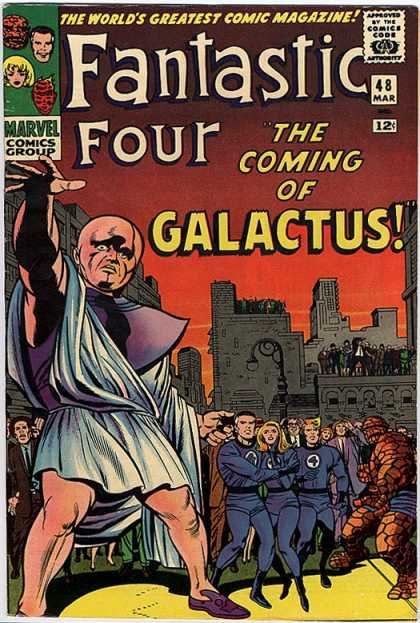
FANTASTIC FOUR #48-50
Jack Kirby and Stan Lee create the Silver Surfer as Galactus's herald, establishing the foundation for Marvel's cosmic mythology and one of comics' most compelling moral awakenings.
The Silver Surfer’s debut in Fantastic Four #48 (March 1966) represents one of comics’ most significant character introductions. Jack Kirby created the character because he was “tired of drawing spaceships,” designing a cosmic herald who rode a surfboard through space. Stan Lee, initially skeptical, was won over by “the noble features of the new character, who turned on his master to help defend Earth.”
The three-issue “Galactus Trilogy” establishes the fundamental tension that defines the character: Norrin Radd’s sacrifice of his happiness to save his homeworld Zenn-La, only to discover his moral awakening when he encounters humanity’s potential for both nobility and cruelty. This foundational story created a character unlike any other in comics—a cosmic powerhouse driven by philosophical introspection.
Collector Focus
Fantastic Four #48 remains the Silver Surfer’s most important collectible, with high-grade copies commanding premium prices. The complete Galactus Trilogy (#48-50) in matching grades represents essential Marvel cosmic collecting.
The Solo Years: Philosophy Meets Power
The Silver Surfer #1-18 - Buscema’s Cosmic Cathedral
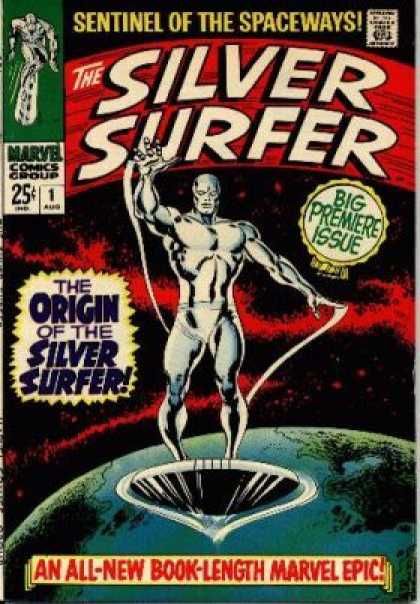
THE SILVER SURFER #1
Stan Lee and John Buscema launch the Surfer's solo series, exploring themes of nobility, sacrifice, and humanity through cosmic-scale storytelling and breathtaking artwork.
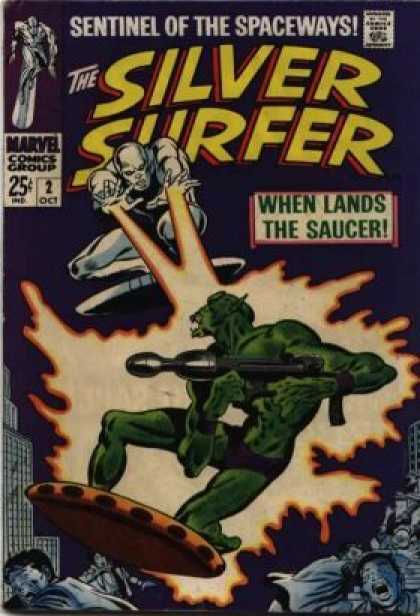
Stan Lee’s decision to give the Silver Surfer his own series proved prescient, creating comics that operated on a completely different level from typical superhero fare. John Buscema’s artwork for the first 17 issues established the visual language for cosmic comics, with each panel treating the Surfer’s emotional journey with cathedral-like reverence.
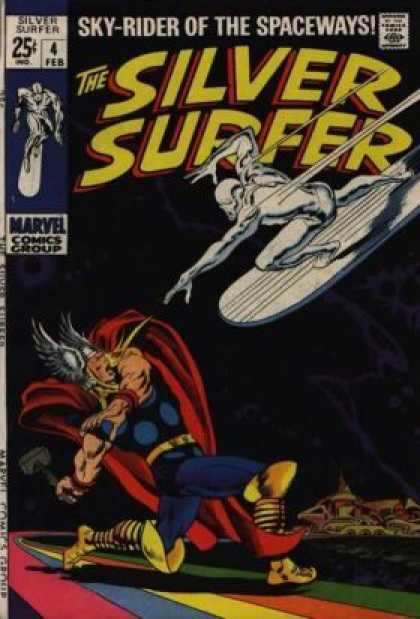
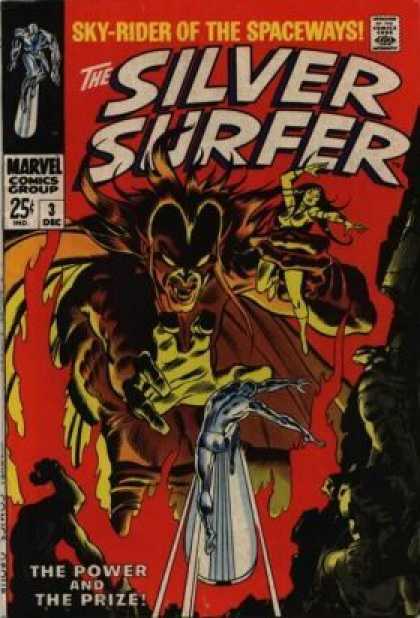
The series introduced key elements of Surfer mythology, including his relationship with Shalla-Bal, his imprisonment on Earth by Galactus, and his encounters with both humanity’s worst impulses and its capacity for redemption. Issue #4’s introduction of Mephisto created one of comics’ great philosophical rivalries—the devil trying to corrupt the most noble soul in the universe.
Investment Insight
Silver Surfer #1 (1968) represents both the character’s solo debut and Buscema’s cosmic masterpiece. Early issues featuring Mephisto (#3-4) are particularly sought after by collectors.
The Buscema Legacy
John Buscema’s work on Silver Surfer #1-17 created the definitive visual interpretation of the character. His ability to convey both cosmic scale and emotional intimacy established artistic standards that influenced decades of cosmic comics. Buscema’s Surfer moves with ballet-like grace through star fields and city streets alike, making the philosophical weight of Lee’s scripts visually tangible.
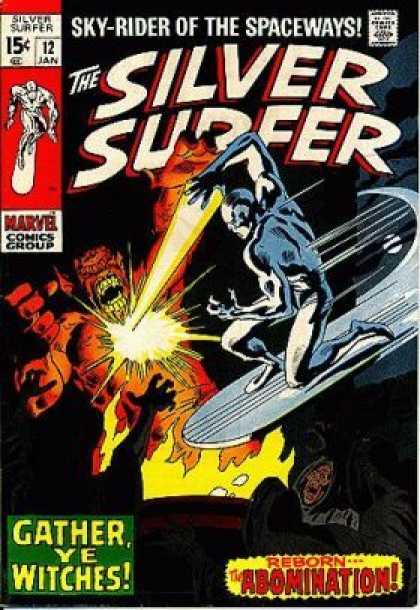
The covers alone tell stories: Issue #4’s dramatic confrontation, Issue #12’s cosmic isolation, and the Human Torch team-up in #15 all showcase Buscema’s mastery of both character emotion and cosmic spectacle.
Masterpiece Collaborations
Silver Surfer: Parable - When Legends Unite
SILVER SURFER: PARABLE
Stan Lee and legendary French artist Moebius create a philosophical masterpiece about faith, power, and humanity's capacity for both salvation and destruction.
The collaboration between Stan Lee and Moebius (Jean Giraud) produced what many consider the greatest Silver Surfer story ever told. This “morality tale about humanity and its subconscious need for looking for messianic figures” shows Galactus manipulating human faith by positioning himself as a god, promising an end to war and suffering while leading humanity toward self-destruction.
Moebius’s distinctive European art style brought new visual poetry to the Marvel Universe, while Lee crafted his most sophisticated narrative. The story operates as both a thrilling cosmic adventure and a profound meditation on false prophets, blind faith, and the price of salvation. The Surfer’s role as the lone voice of dissent against humanity’s willing enslavement creates genuine moral complexity.
Cultural Significance
Parable earned an Eisner Award nomination and represents one of comics’ most successful artist exchanges between American superhero comics and European bande dessinée traditions.
The Cosmic Renaissance: Evolution Through the Decades
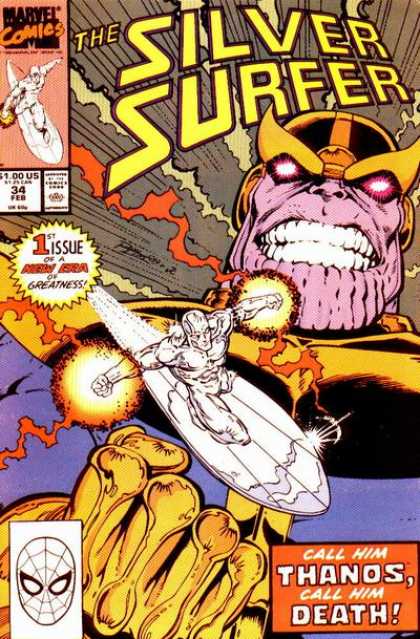
The 1990s brought Jim Starlin’s cosmic epic storytelling to Silver Surfer comics, positioning the character as central to the Infinity Trilogy. This period elevated the Surfer from introspective wanderer to key player in universe-spanning conflicts, while maintaining the philosophical core that made the character unique.
Key Collectible Issues:
- Silver Surfer #34-38 - The return of Thanos storyline
- Silver Surfer #44-50 - The Infinity Gauntlet tie-ins
- Silver Surfer #60-66 - The Herald Ordeal featuring all of Galactus’s heralds
Contemporary Relevance & Future Collecting
Death of the Silver Surfer & MCU Connections
Greg Pak and Sumit Kumar’s Death of the Silver Surfer represents a major moment for the character, promising to explore what happens when a threat emerges that even the Power Cosmic cannot overcome. The timing coincides with Julia Garner’s casting as Shalla-Bal in Fantastic Four: First Steps, making this a pivotal period for Silver Surfer collecting.
The MCU’s decision to feature Shalla-Bal as the Silver Surfer instead of Norrin Radd reflects sophisticated knowledge of comics lore, drawing from Earth X and other alternate universe stories where she wielded the Power Cosmic. This creates collecting opportunities for both classic Norrin Radd stories and Shalla-Bal appearances.
Visual Evolution: Covers That Define an Era
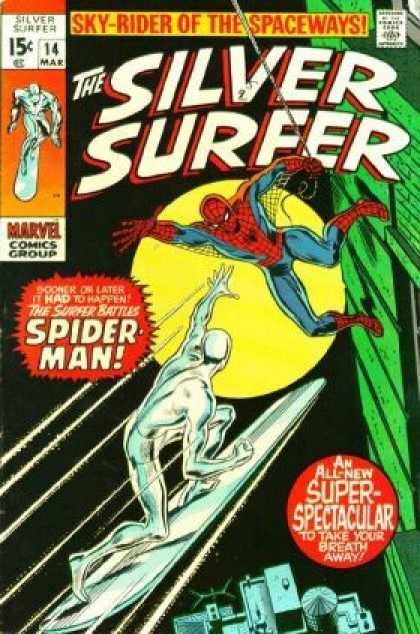
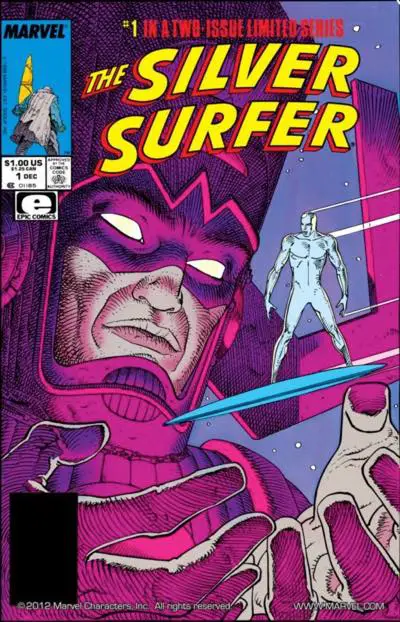
The Silver Surfer’s cover art tells the story of comics’ artistic evolution. From Kirby’s dynamic introduction in Fantastic Four #48 to Buscema’s contemplative masterpieces, from Ron Lim’s cosmic epics to Moebius’s European sophistication, each era brought new visual interpretations while maintaining the character’s essential nobility.
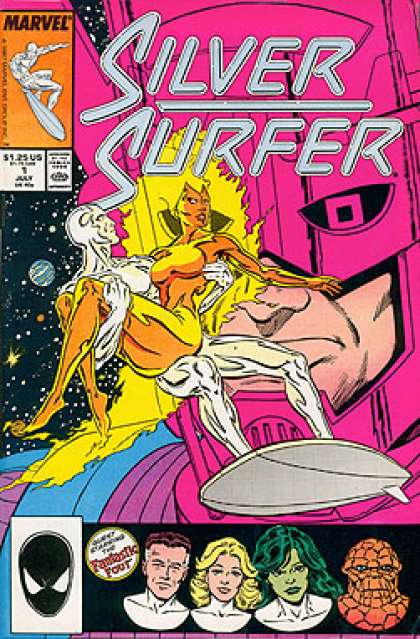
Issue #14’s guest appearance by Spider-Man, #16’s dramatic “The Years Most Unexpected Ending,” and the cosmic scope of the 1987 series covers all demonstrate how different artists found new ways to visualize the Surfer’s eternal struggle between cosmic responsibility and personal desire for freedom.
Why the Silver Surfer Matters for Collectors
Essential Collecting Themes
The Silver Surfer offers unique collecting opportunities across multiple categories:
- Artistic Legacy: Kirby creation, Buscema masterworks, Moebius collaboration
- Philosophical Depth: Comics that tackle profound themes beyond typical superhero fare
- Cosmic Scope: Foundation character for Marvel’s cosmic mythology
- Cross-Media Appeal: Movie connections and transmedia storytelling opportunities
- Character Evolution: Consistent publishing history with multiple acclaimed runs
- Cultural Impact: Eisner nominations and critical recognition beyond comics community
Investment Perspective: The Noble Collector’s Choice
The Silver Surfer represents a unique collecting proposition—a character whose comics consistently explore themes that elevate the medium while maintaining spectacular cosmic adventure. From Fantastic Four #48’s introduction through Parable’s artistic triumph to today’s Death of the Silver Surfer, the character attracts collectors seeking both visual spectacle and narrative sophistication.

The current market surge reflects not just MCU excitement but recognition of the character’s artistic legacy. John Buscema’s definitive artwork, Moebius’s European sensibility, and modern interpretations by artists like Mike Allred create a collecting landscape rich with visual diversity and consistent quality.
Unlike characters whose collecting appeal relies primarily on speculation, Silver Surfer comics reward readers with stories that remain relevant decades after publication. Parable’s examination of false prophets and blind faith feels remarkably contemporary, while the original Galactus Trilogy’s exploration of sacrifice and moral awakening continues to resonate.
The Cosmic Conclusion
The Silver Surfer stands alone in comics as a character who successfully merges cosmic-scale power with deeply introspective storytelling. From Jack Kirby’s initial creation through Stan Lee and John Buscema’s philosophical masterworks to contemporary creators like Greg Pak exploring new depths of character tragedy, the Sentinel of the Spaceways represents comics’ capacity for both spectacular adventure and profound meaning.
For collectors seeking comics that combine investment potential with reading reward, artistic achievement with cultural significance, the Silver Surfer offers an unmatched collecting experience. Whether pursuing key first appearances, artistic collaborations, or modern interpretations, Silver Surfer comics provide entry into Marvel’s cosmic mythology through the lens of its most noble herald.
As Death of the Silver Surfer launches and Shalla-Bal prepares to join the MCU, we’re reminded why Norrin Radd’s sacrifice continues to inspire—in comics, collectors, and anyone who believes that true heroism lies not in power, but in the willingness to sacrifice that power for others’ benefit.