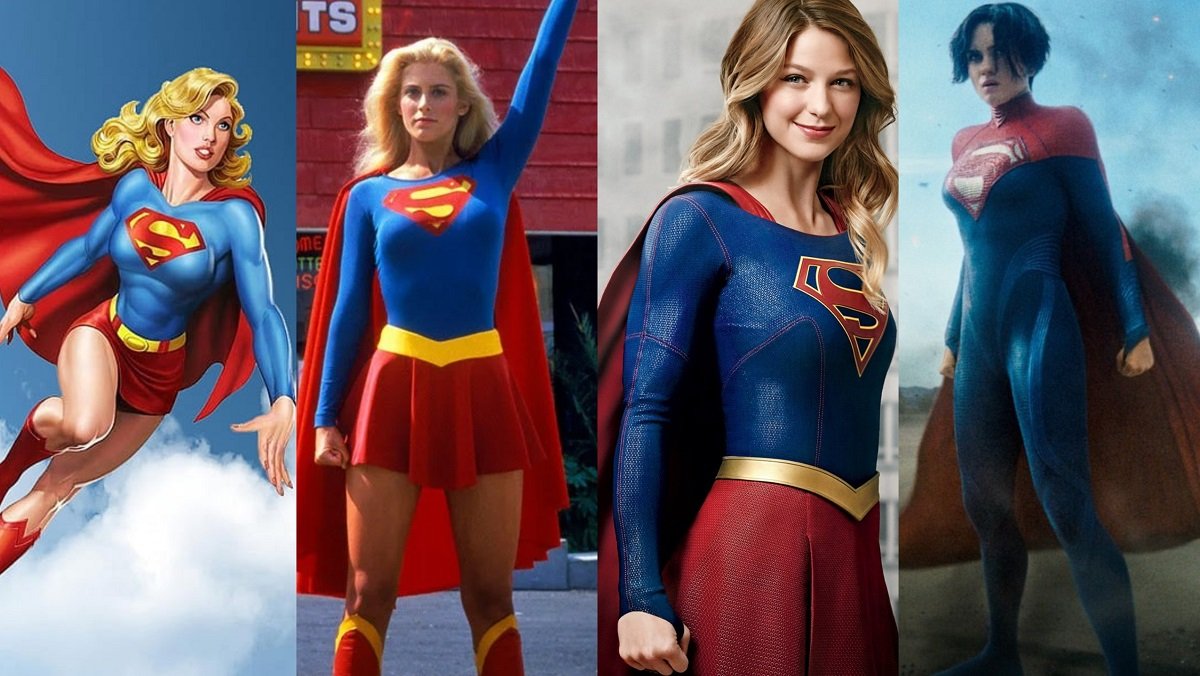
Some of us try hard to make the world a better place than it was when we found it. I know that's what I try to do. I won't always be successful. But that's life. I'm Supergirl. This is my life... and y'know what? I'm pretty happy with it.
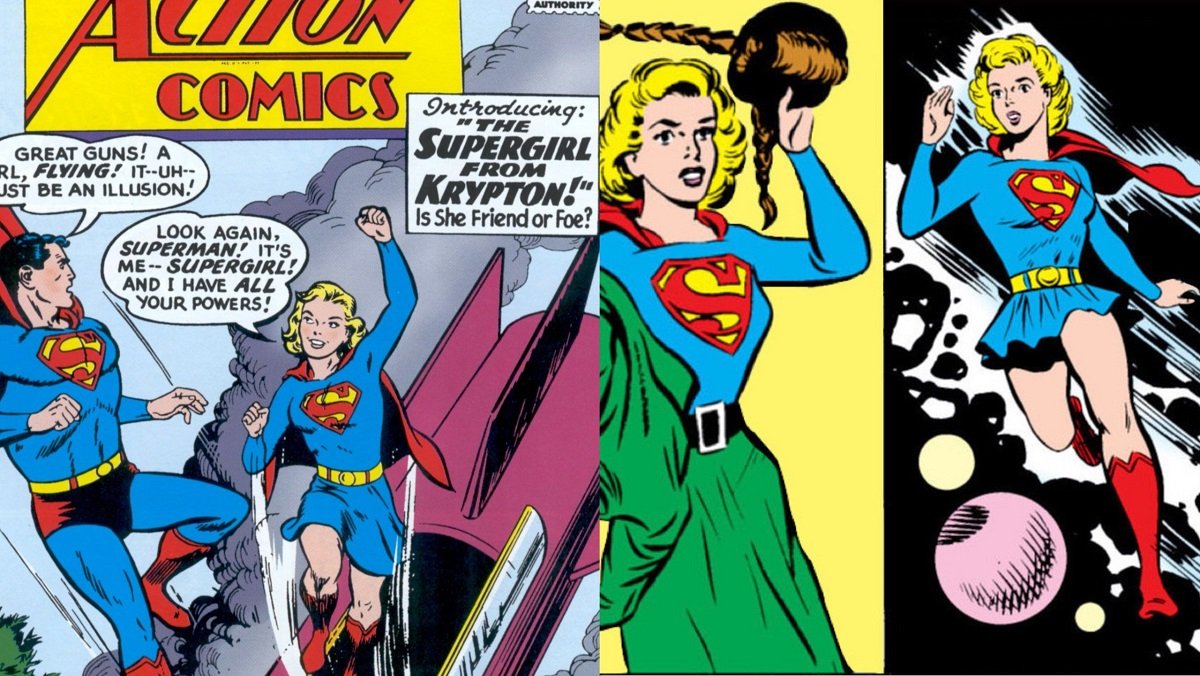
In the spring of 1959, amid Cold War tensions and America’s burgeoning space race with the Soviet Union, DC Comics introduced a new character who would capture the imagination of young readers across the country. Kara Zor-El, better known as Supergirl, made her debut in Action Comics #252, arriving on Earth as Superman’s teenage cousin from the doomed planet Krypton.
Her creation reflected the era’s fascination with space exploration while simultaneously addressing a growing market for female characters in an industry historically dominated by male superheroes. Unlike her cousin who arrived on Earth as an infant with no memories of his home world, Kara came as a teenager who remembered Krypton—a crucial distinction that gave her character an immigrant’s perspective resonating differently than Superman’s essentially American upbringing.
ACTION COMICS #252
First appearance and origin of Supergirl (Kara Zor-El). Also features the first appearance of Metallo.
🚀 A Product of the Space Age
The late 1950s marked a period of tremendous technological optimism in American society. The launch of Sputnik in 1957 had intensified national interest in space, and science fiction permeated popular culture. Against this backdrop, comic book publishers sought new ways to expand their readership, particularly among young girls.
Collector Origin Insight
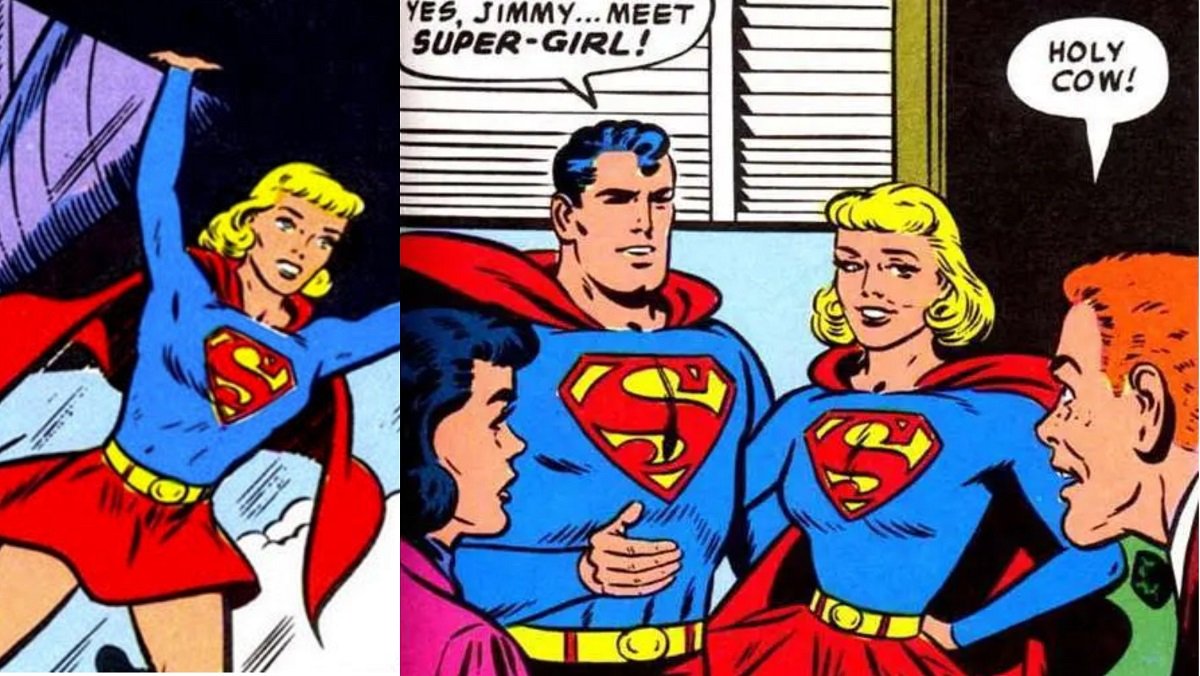
Before Kara Zor-El officially entered the DC Universe, editors tested the waters with a prototype character in Superman #123 (1958). This “Super-Girl” was created by Jimmy Olsen using a magical totem, but disappeared by the end of the issue. The positive reader response—particularly from female readers—led DC to develop the permanent Kara Zor-El version a year later.
✨ The Kennedy Era and Beyond: Supergirl’s Golden Age
Throughout the culturally transformative 1960s, Supergirl established herself as a fixture in DC Comics. Her traditional costume—blue top with red skirt and cape—became emblematic of the company’s Silver Age aesthetic. While Superman represented the established order and traditional values, Supergirl’s stories often dealt with more personal challenges: fitting in at school, navigating romance, and finding her identity.
As the women’s movement gained momentum through the late 1960s and into the 1970s, Supergirl’s portrayal evolved accordingly. She moved from backup stories to headline her own title in 1972, coinciding with the passage of Title IX and heightened conversations about gender equality.
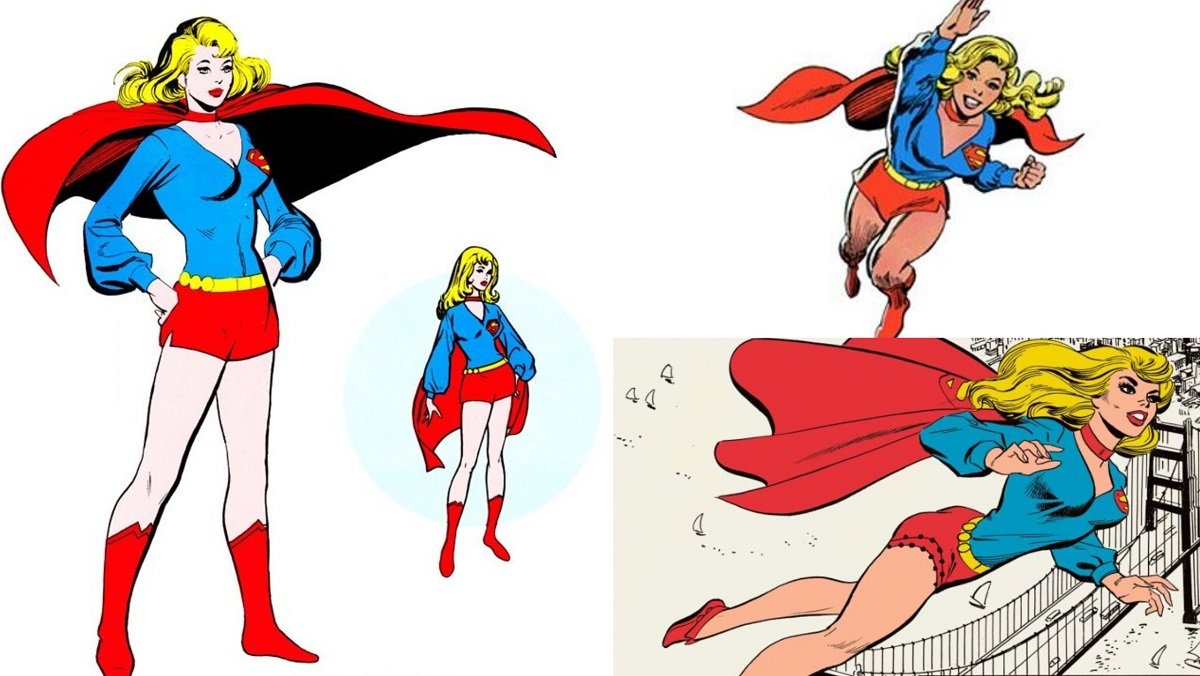
Her costumes reflected changing fashion sensibilities, sometimes incorporating miniskirts or hot pants in line with contemporary trends. These visual changes, while sometimes appearing dated to modern eyes, represented attempts to portray a young woman engaged with the culture of her time.
💔 Crisis and Sacrifice: Supergirl’s Heroic End
Crisis on Infinite Earths #7 (1985)
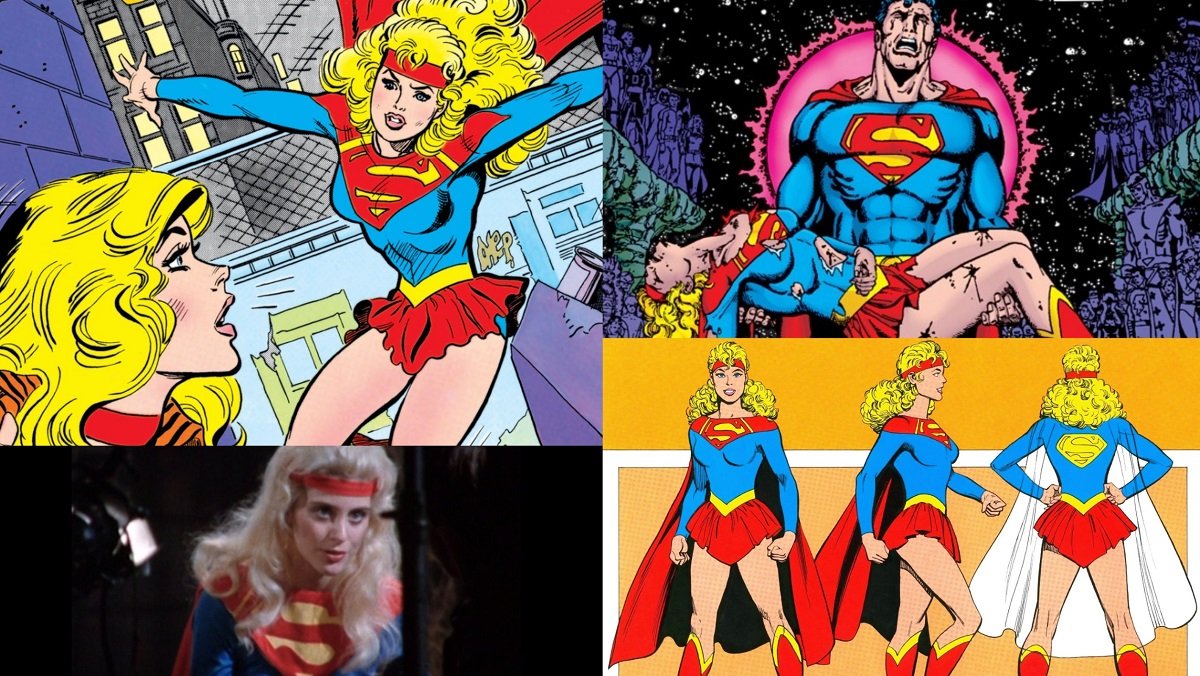
The comic book industry underwent significant changes in the 1980s, driven by shifting market forces and new storytelling approaches. At DC Comics, editorial decisions increasingly prioritized narrative cohesion and dramatic impact over the maintenance of decades-old continuity. The result was 1985’s “Crisis on Infinite Earths,” a sweeping revision of the company’s fictional universe.
In this landmark storyline, Kara Zor-El made what was intended as her final appearance, sacrificing her life to save her cousin and the multiverse. The decision to eliminate Supergirl reflected not only storytelling considerations but also corporate restructuring aimed at streamlining DC’s increasingly complex character roster.
The Lost Years
For nearly two decades following Crisis (1985-2004), various non-Kryptonian iterations of Supergirl appeared in DC publications. These included Matrix (a shapeshifting protoplasm), Linda Danvers (who merged with Matrix), and Cir-El (a future daughter of Superman). None achieved the lasting cultural impact of the original Kara Zor-El.
The death of Supergirl represented a pivotal moment in comic book history. It signaled that even established, beloved characters could be permanently removed in service of a larger narrative vision.
🔄 Resurrection and Reinvention: The Modern Era
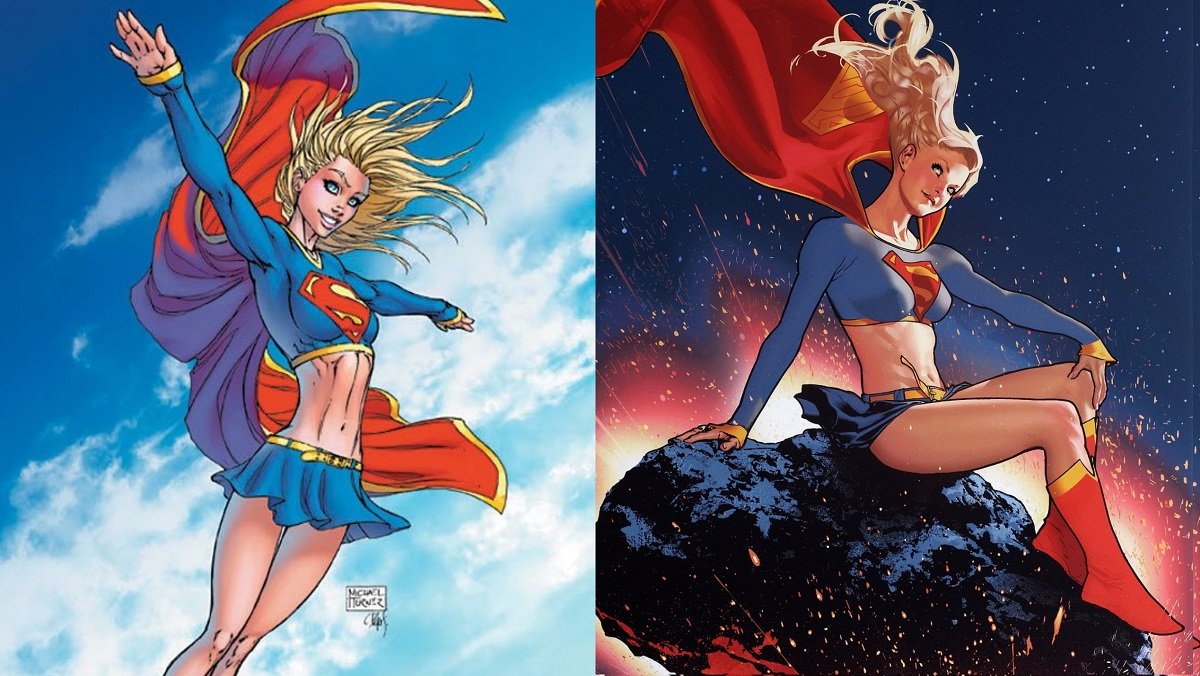
The early 2000s saw a renewed interest in classic superhero archetypes, bolstered by successful film adaptations and a growing nostalgia for Silver Age concepts. Responding to this trend, DC Comics reintroduced Kara Zor-El to continuity in 2004, acknowledging both fan sentiment and market opportunities.
This resurrection coincided with broader cultural conversations about female representation in media. The character’s return navigated a complex landscape of competing objectives: honoring her traditional appeal while avoiding the limitations of earlier portrayals.
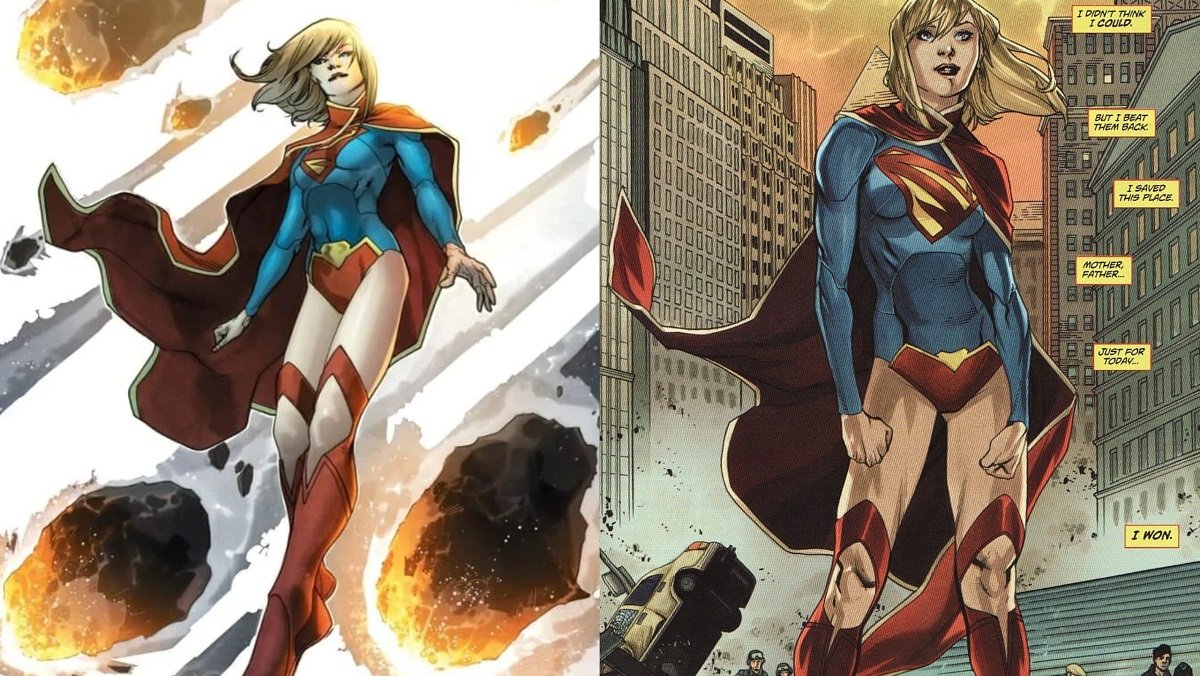
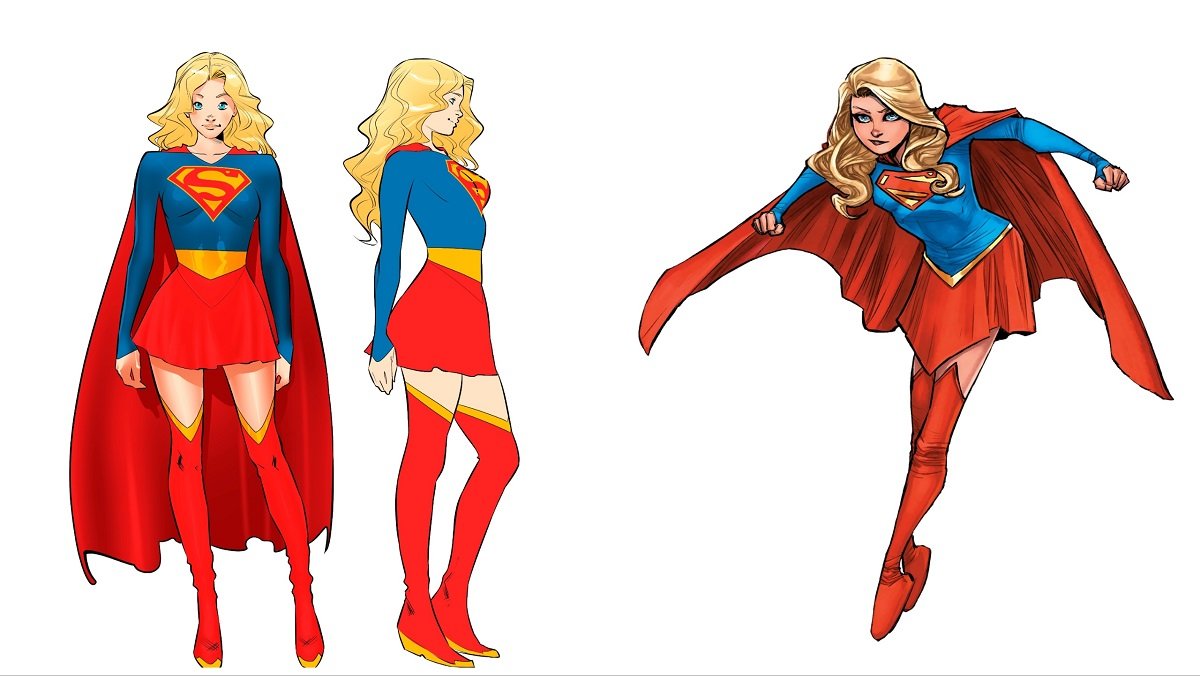
When DC launched its comprehensive “New 52” line-wide reboot in 2011, Supergirl received a reinvention that reflected contemporary sensibilities. Her revised costume abandoned the traditional skirt in favor of a more armored appearance, while her characterization skewed toward a harder edge that resonated with post-recession attitudes.
SUPERMAN/BATMAN #8
Reintroduction of Kara Zor-El to DC Comics continuity after a nearly 20-year absence.
📺 Multimedia Renaissance: From Silver Screen to Streaming
Supergirl Across Media
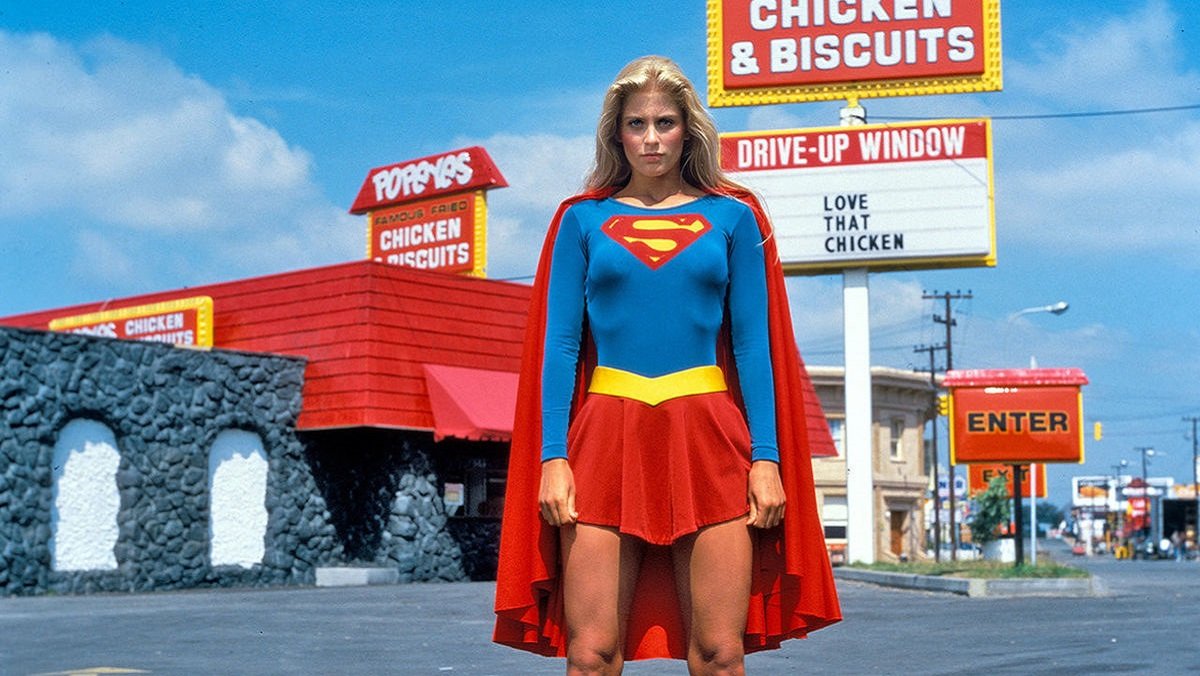
While comic books remain the character’s narrative foundation, Supergirl’s cultural impact has expanded considerably through other media. Her first significant live-action portrayal came in the 1984 film starring Helen Slater, a commercial disappointment that nevertheless established visual touchstones that would influence the character for decades.
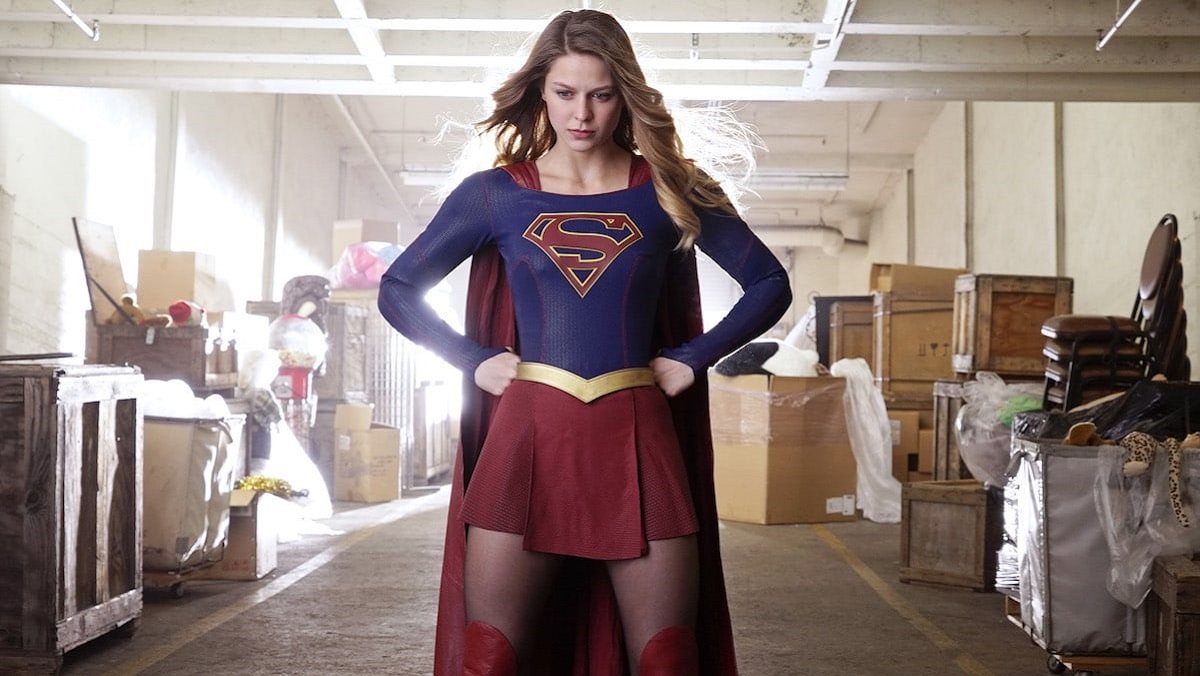
The 2015-2021 television series starring Melissa Benoist proved far more successful, arriving amid heightened public discourse about female representation in superhero media. The show’s six-season run coincided with the growing prominence of the #MeToo movement and increased attention to gender equity in entertainment.
Supergirl Media Timeline
- 1984: Helen Slater stars in first “Supergirl” film
- 1996: Debuts in animation on “Superman: The Animated Series”
- 2007-2011: Laura Vandervoort portrays Kara on “Smallville”
- 2015-2021: Melissa Benoist leads “Supergirl” TV series on CBS/The CW
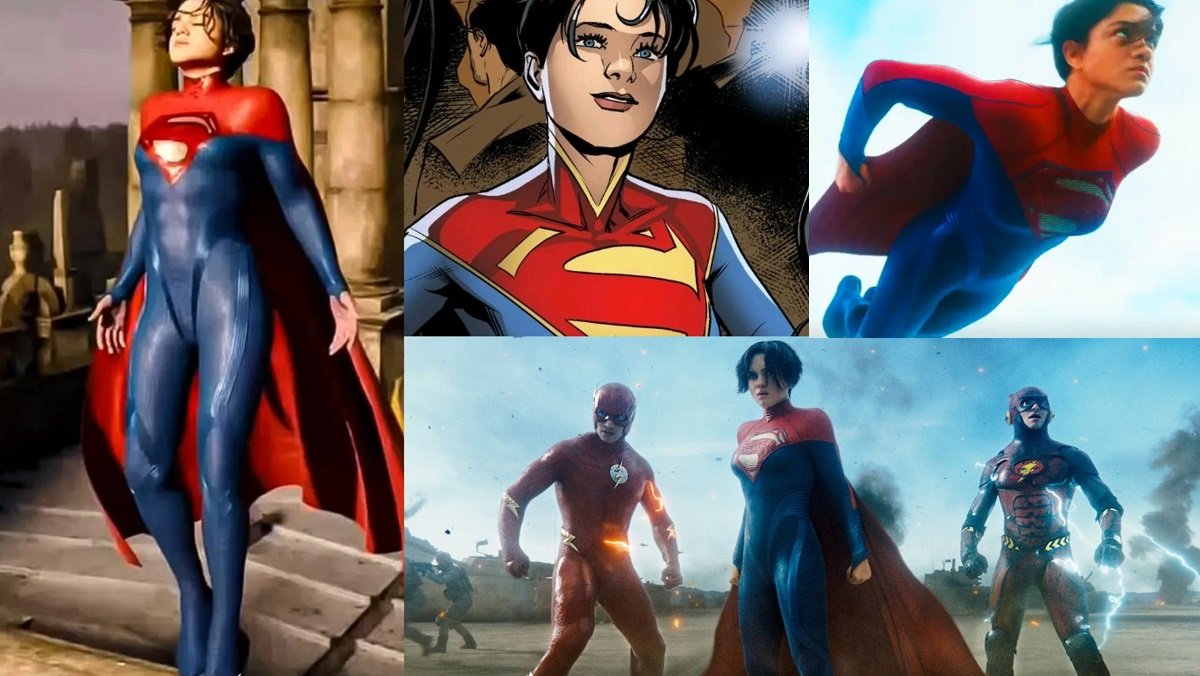
- 2023: Sasha Calle appears in “The Flash” film
- 2026: Milly Alcock to star in “Supergirl: Woman of Tomorrow”
Most recently, Sasha Calle’s portrayal in 2023’s “The Flash” film presented a markedly different interpretation, featuring a darker aesthetic and more traumatic backstory. This evolution reflects ongoing attempts to balance nostalgia with contemporary relevance in an increasingly fractured media landscape.
💫 A Symbol in Perpetual Flight
After more than six decades in popular culture, Supergirl’s endurance speaks to something fundamental in her character concept. Unlike many superheroes whose narratives center on vengeance or responsibility, Kara’s story emphasizes adaptation and resilience. As an immigrant who carries memories of a lost civilization while navigating a new world, she embodies themes that remain persistently relevant in American society.
My name is Kara Zor-El. I'm from a long-dead planet called Krypton. I was sent to Earth to protect my cousin. But my pod got knocked off-course, and by the time I got here, my cousin had already grown up and become Superman.
The forthcoming portrayal by Milly Alcock in DC’s rebooted cinematic universe signals yet another reinvention, continuing the character’s tradition of evolution in response to shifting cultural currents. Whatever form this iteration takes, it will inevitably reflect contemporary anxieties and aspirations, just as previous versions mirrored their respective eras.
In an industry often criticized for static characters and resistance to change, Supergirl stands as a notable exception—a character whose significance derives not from consistency but from her capacity for reinvention. From the Space Age optimism of her creation to the complex media landscape of the present, the Last Daughter of Krypton continues to navigate the atmosphere of American popular culture, adjusting her flight path while maintaining her essential nature as a symbol of hope in unfamiliar skies.
💎 Collector’s Corner: Essential Supergirl Issues
Supergirl: Woman of Tomorrow (2021-2022)
This critically acclaimed eight-issue limited series by Tom King and Bilquis Evely has become one of the hottest modern Supergirl collectibles. Following the announcement of the Milly Alcock-led film adaptation scheduled for June 26, 2026, prices have skyrocketed:
- Issue #1 Raw: $30-40 (up from $7.50 in early 2024)
- Issue #1 CGC 9.8: $150-200
- Complete Series #1-8 Raw: $120-150
- Hardcover Collection: $60-75 (first printing)
James Gunn has described this version of Supergirl as “much more hardcore” than previous iterations, focusing on a character who witnessed Krypton’s destruction before coming to Earth. The series portrays Kara as a more complex, battle-hardened hero traveling the cosmos with Krypto the Superdog.
In our film, we see the difference between Superman who was sent to Earth and raised by loving parents from the time he was an infant, versus Supergirl, who was raised on a rock, a chip off Krypton, and watched everyone around her die and be killed in terrible ways for the first 14 years of her life.
DCU Investment Strategy
With Milly Alcock officially cast as the DCU’s Supergirl and the film now scheduled for 2026, strategic collectors should consider:
- Securing first printings of all eight Woman of Tomorrow issues
- Investing in key Silver Age appearances while prices remain stable
- Watching for special variants and retailer incentives of upcoming tie-in issues
- Consider professional grading for high-grade copies of Woman of Tomorrow #1
The darker, more complex portrayal in the upcoming film represents a significant departure from previous versions, potentially creating new collecting opportunities as this interpretation reaches mainstream audiences.