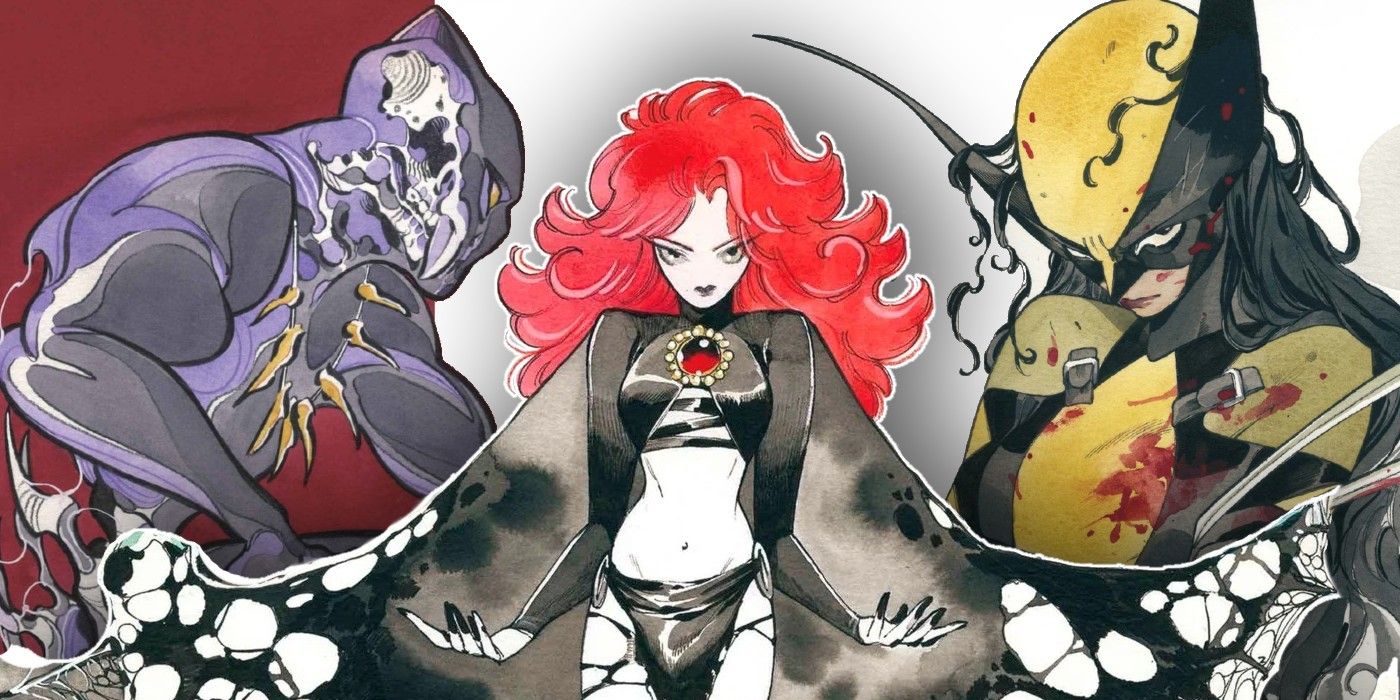
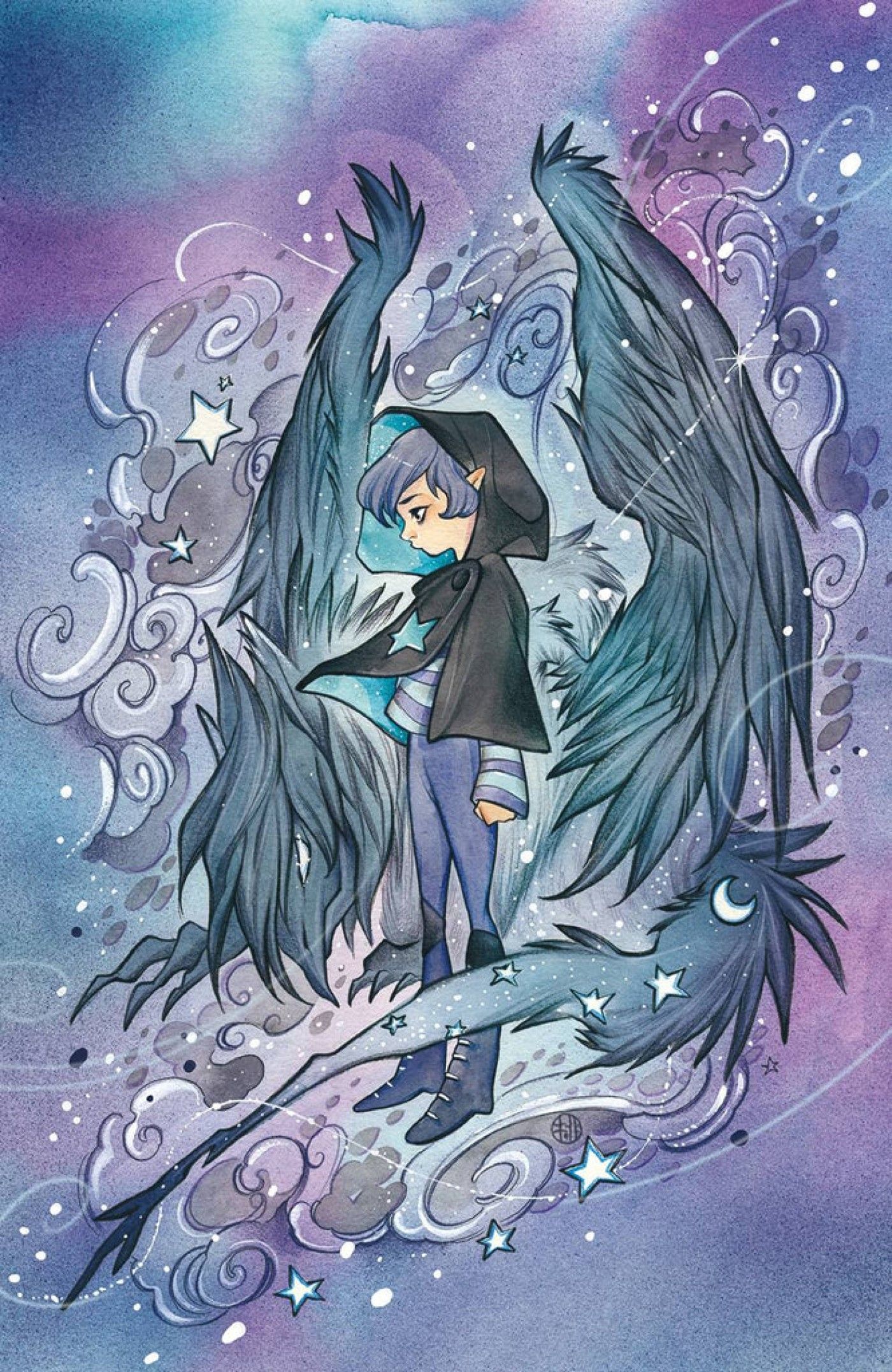
Peach Momoko has become one of comics' most highly sought-after cover artists, her gorgeous painted artwork gracing many of the industry's biggest titles.
In the world of comic book cover art, few artists have made as dramatic an impact as Peach Momoko. Since her debut Marvel cover in 2019, this Japanese artist has transformed from relative unknown to industry superstar, winning multiple Eisner Awards and becoming one of the most collected cover artists in the market.
What sets Momoko apart is her unique fusion of traditional Japanese watercolor techniques with modern superhero aesthetics, creating covers that are simultaneously beautiful and haunting, cute and terrifying.
The Artist Behind the Magic
Peach Momoko: From Art School to Marvel Stardom
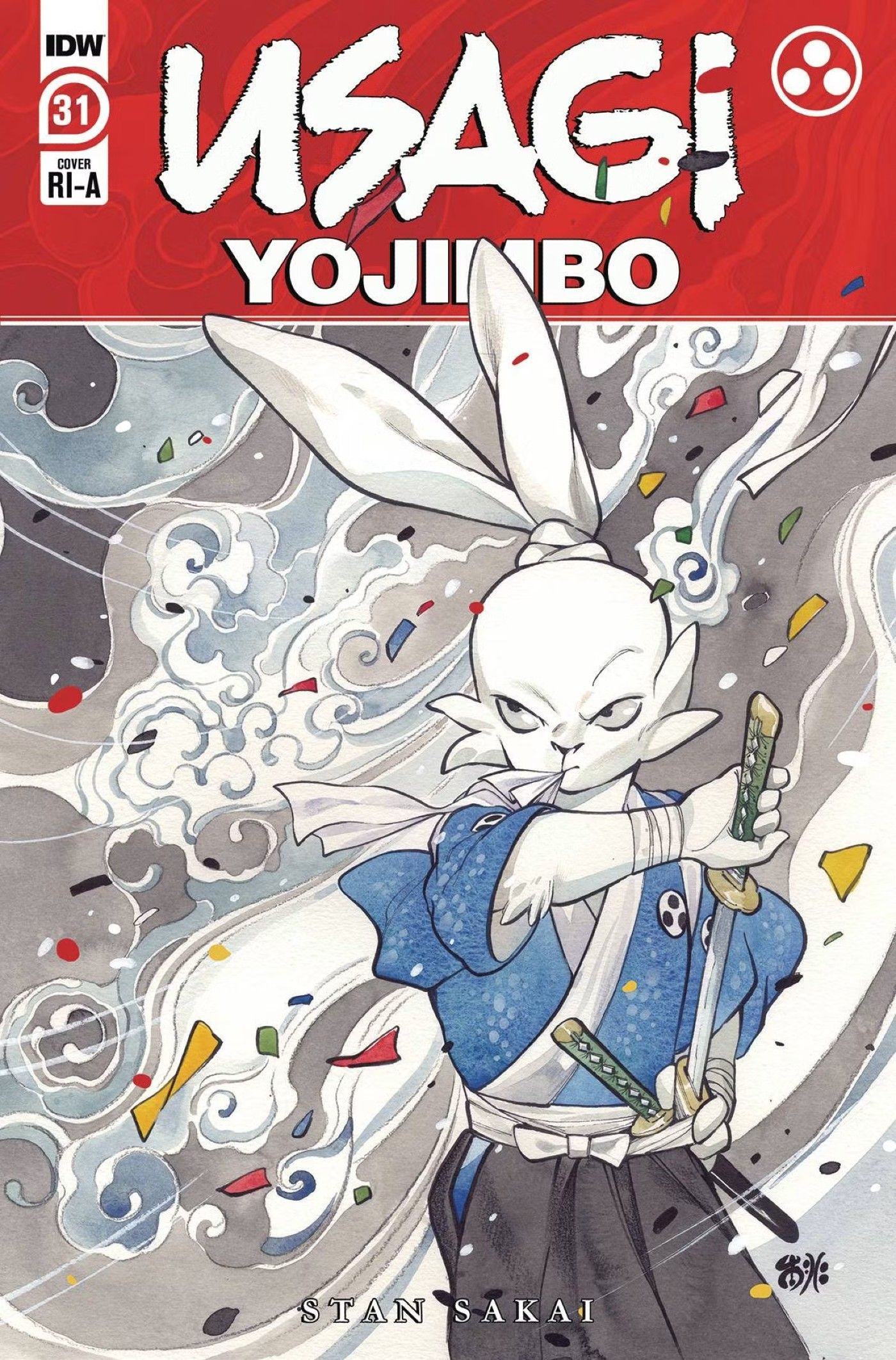
Peach Momoko (桃桃子) was born in Japan’s Saitama Prefecture and began drawing as soon as she could hold a crayon. With a father who attended photography school and a grandfather who was an oil painter, artistic expression ran in the family. Her artistic journey took her from Japanese art school to the pages of Heavy Metal magazine, before comic book artist Adi Granov introduced her to Marvel Comics in 2019.
Her pseudonym, chosen during art school, literally translates to “Peach” in Japanese—a fitting name for an artist whose work blends the delicate beauty of traditional Japanese art with the bold energy of American superhero comics.
Career Milestones:
- 2019: First Marvel variant cover (Marvel Rising #1)
- 2020: Signed exclusive Marvel deal as part of Stormbreakers program
- 2021: Won both Eisner and Ringo Awards for Best Cover Artist
- 2021: Launched the “Momoko-verse” with Demon Days
- 2024: Won second Eisner Award and launched Ultimate X-Men
Artistic Technique
Momoko’s covers are created using traditional watercolor and ink techniques—an impressive feat in an industry dominated by digital art. Her work combines the bishōjo (“beautiful girl”) aesthetic with horror elements, creating what she calls a fusion of “inner madness, weaponry, and propaganda.”
Most Valuable and Collectible Covers
Marvel Rising #1 Variant (March 2019)
MARVEL RISING #1
The cover that started it all—Momoko's first work for Marvel Comics that launched her meteoric rise to stardom.
This understated debut cover introduced comic fans to Momoko’s distinctive style. Featuring Ms. Marvel in a dreamlike watercolor portrait, it established the template for what would become her signature approach to Marvel characters. What seemed like just another variant cover in 2019 is now recognized as the beginning of one of the most successful cover artist careers in modern comics.
The cover’s value has steadily increased as Momoko’s reputation has grown, making it essential for any serious Momoko collection.
X-23: Fallen Angels #2 Variant (2019)
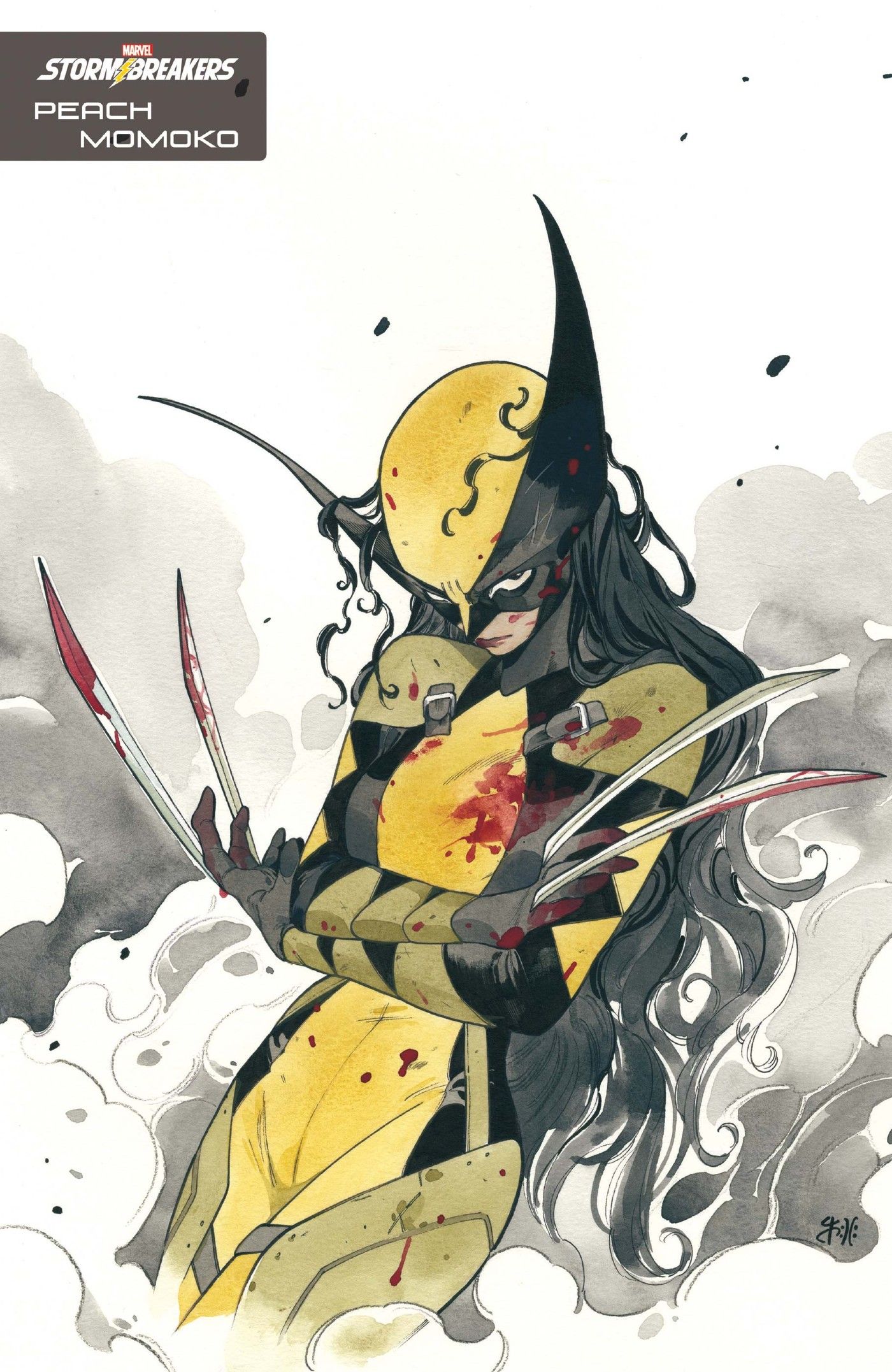
X-23: FALLEN ANGELS #2
One of Momoko's earliest rare covers featuring Laura Kinney in a cute yet fierce pose that captures her younger, more innocent side.
This early Momoko variant showcases her ability to capture both the fierce and innocent aspects of X-23/Laura Kinney. The cover presents Laura in a refreshingly different light—avoiding the over-sexualization common in X-23 artwork while still maintaining her dangerous edge.
As one of her earliest 1:25 ratio variants, this cover was initially overlooked by many shops who didn’t order heavily into the series, making it a true “ghost book” in the collecting community.
The Demon Days Saga (2021-2022)
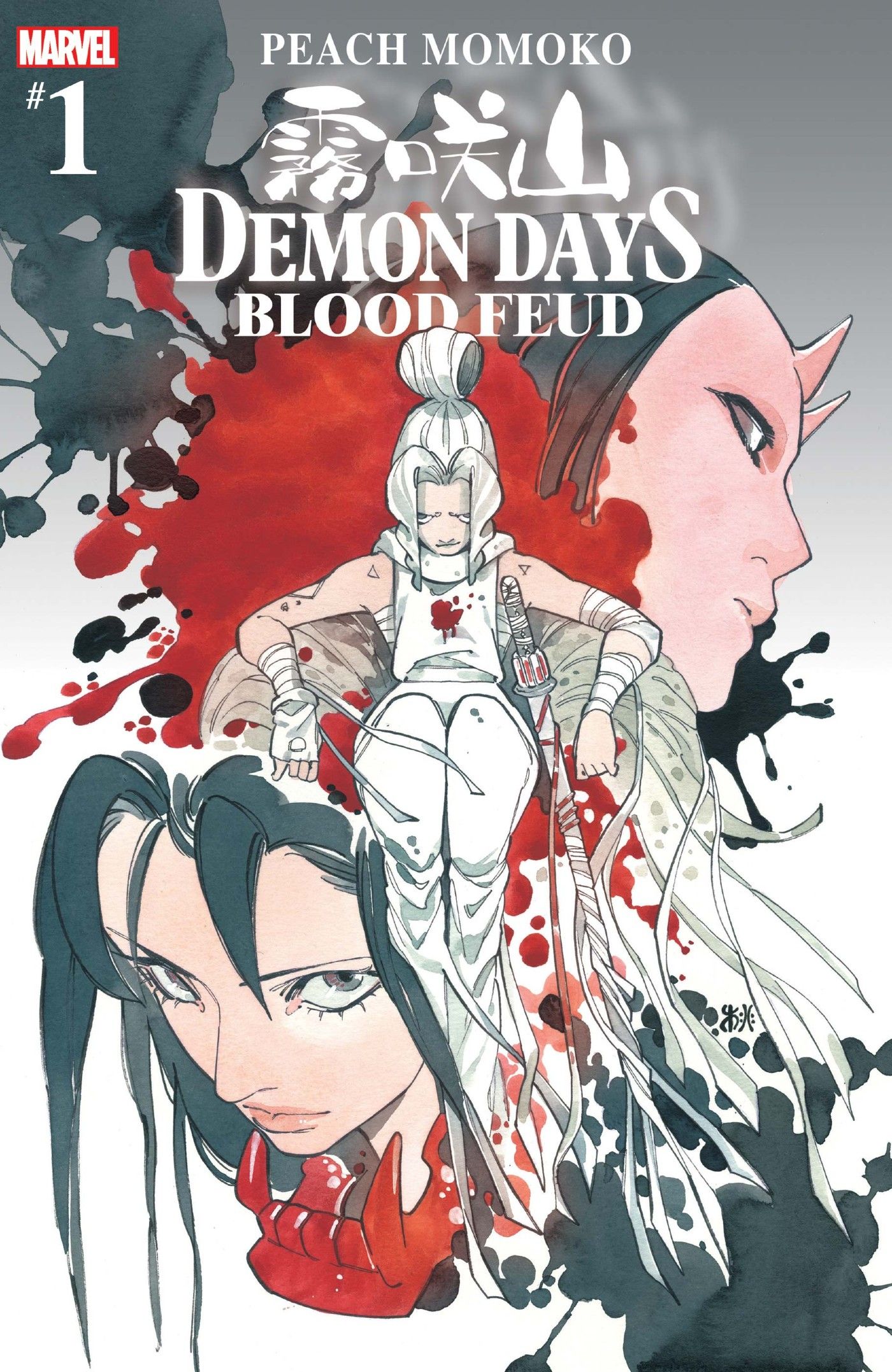
DEMON DAYS SAGA
Momoko's magnum opus—a complete reimagining of the Marvel Universe through the lens of Japanese folklore, establishing the 'Momoko-verse.'
The Demon Days saga represents Momoko’s transition from cover artist to full creator. This five-part series reimagines Marvel characters as figures from Japanese folktales—Wolverine becomes a wandering swordswoman, Venom transforms into a terrifying demon, and the Hulk becomes a gentle giant spirit.
The series established what Momoko calls the “Momoko-verse,” a unique corner of the Marvel multiverse that allowed her to explore her cultural heritage while honoring the essence of beloved Marvel characters.
Series Highlights:
- Demon Days: X-Men #1 - The series debut
- Demon Days: Mariko #1 - Focuses on Wolverine’s love interest
- Demon Days: Cursed Web #1 - Spider-themed adventure
- Demon Days: Rising Storm #1 - Storm and Thor reimagined
- Demon Days: Blood Feud #1 - Epic conclusion
Cultural Impact
Critics praised Demon Days for its authentic incorporation of Japanese folklore and its respectful treatment of both cultures. The series proved that variant cover artists could successfully transition to full creative roles.
Recent Market Movers
Collecting Strategy and Market Analysis
Collector's Advice
During the COVID-19 pandemic, Momoko produced upwards of 20 covers per month, which initially led to market saturation. However, her most valuable covers remain her early work and creator-owned series. Focus on 1:25 or higher ratios and series where she’s the primary creator.
Investment Tiers for Momoko Covers
- Premium Tier ($200+) - Early Marvel work (2019-2020), 1:25+ ratios, signed/sketched copies
- Growth Tier ($50-200) - Demon Days series, Ultimate X-Men, major character debuts
- Entry Tier ($15-50) - Recent variants, standard ratios, nightmare series
- Speculation Tier - Upcoming creator-owned projects, crossover collaborations
Key Indicators: Look for covers featuring Japanese cultural elements, horror themes, or characters Momoko hasn’t drawn before. Her style evolution and cultural commentary make each cover unique.
The Momoko Phenomenon
Why Peach Momoko Matters to Comics
Peach Momoko’s impact extends far beyond cover sales. She represents a new generation of international artists bringing fresh perspectives to American superhero comics. Her success has opened doors for other Japanese artists and demonstrated that variant covers can be legitimate artistic statements rather than just collectible gimmicks.
Her work bridges cultures in ways that feel authentic rather than appropriative. When she draws Spider-Man in traditional Japanese clothing or reimagines the X-Men as folklore characters, she’s not just adding surface details—she’s genuinely exploring how these characters might exist in different cultural contexts.
Cultural Contributions:
- Authentic representation of Japanese artistic traditions
- Successful fusion of Eastern and Western storytelling
- Inspiration for other international artists entering comics
- Elevation of variant covers as legitimate art forms
- Proof that cover artists can transition to full creators
Future Outlook and Collecting Tips
What's Next for Momoko?
With Ultimate X-Men ongoing and hints of more “Momoko-verse” projects, 2025 looks to be another banner year. Watch for announcements at major conventions and keep an eye on her social media for previews of upcoming work. Her transition from cover artist to full creator suggests her most valuable collectibles may still be ahead of us.
What do you think about this topic? Let us know in the comments below!